
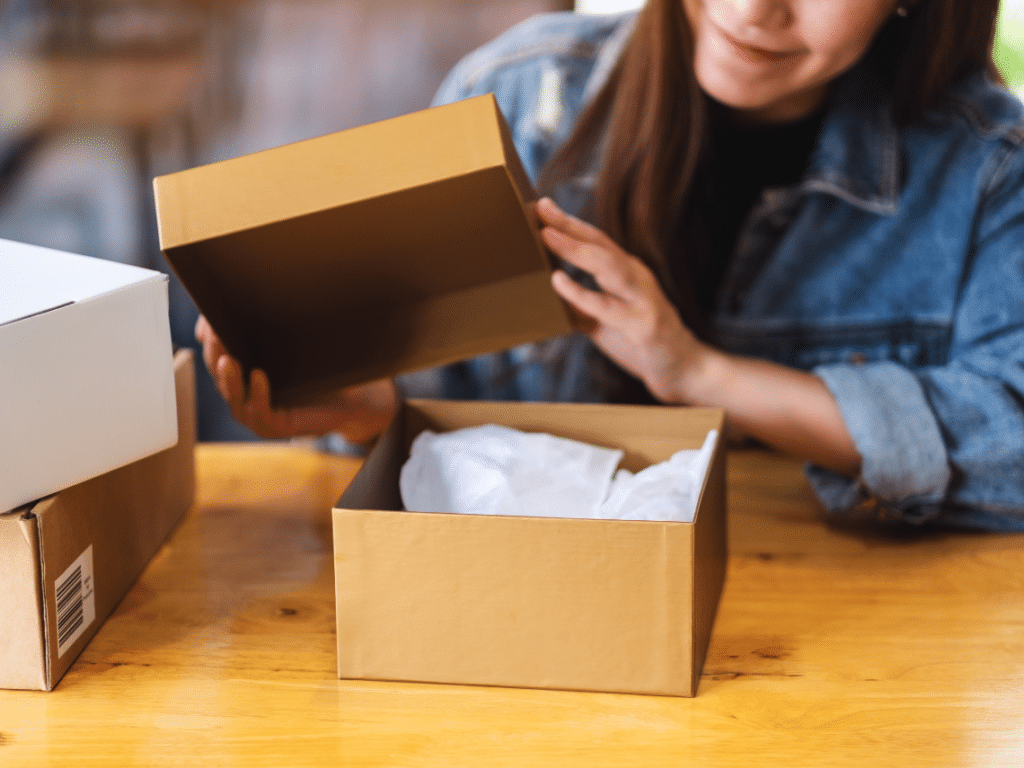
In a market where products compete for attention in seconds, brands cannot rely on function alone. They must create emotion. That is where consumer psychology becomes a powerful driver of packaging strategy. When done right, packaging does more than protect a product. It builds anticipation, shapes perception, and creates a lasting emotional connection.
The unboxing moment is not just a step in the customer journey. It’s the moment where brands become tangible.
Unboxing Is the First Real Brand Experience
For many ecommerce businesses, the box is the brand. Before a customer ever touches the product, they interact with the packaging. This makes unboxing a critical touchpoint shaped heavily by consumer psychology.
Unboxing delivers a small but meaningful emotional reward. In today’s social-driven environment, that reward is amplified. Customers share their experiences, compare brands, and form opinions quickly.
A strong unboxing experience can:
- Create an immediate emotional connection
- Reinforce brand identity in a physical way
- Encourage social sharing and organic reach
- Influence repeat purchasing behavior
When brands align this moment with consumer psychology, they turn a routine delivery into something memorable.
Consumer Psychology and the Anticipation Effect
The unboxing experience begins before the box is opened. This is where consumer psychology reveals something critical. The brain starts rewarding anticipation before the actual product is revealed.
This is known as the anticipation loop:
- The customer receives the package
- Curiosity and excitement begin to build
- Dopamine is released in expectation of what is inside
This means packaging is already shaping perception before the product is even seen. Pioneer Packaging leverages consumer psychology to help brands design packaging that builds and sustains this anticipation.
Tactics that support this include:
- Layered packaging that creates a sense of discovery
- Clean, intentional presentation that signals quality
- Opening mechanisms that slow the reveal and extend the experience
The goal is simple. Make the moment last longer and feel more valuable.
Sensory Packaging Is Consumer Psychology in Action
Sensory packaging transforms theory into experience. Every detail of how packaging looks, feels, and sounds influences how customers judge the product inside. This is a direct application of consumer psychology.
Consumers often assume that premium packaging equals a premium product. That assumption is not accidental. It is rooted in how the brain processes sensory information.
Key sensory elements to consider:
- Weight: Heavier packaging often communicates durability and higher value
- Texture: Matte finishes, gloss coatings, and soft-touch materials create distinct emotional responses
- Sound: The subtle click of a magnetic closure or the smooth release of a lid adds perceived sophistication
- Color and Typography: Color choices influence mood and trust, while typography shapes brand personality on a subconscious level
Pioneer Packaging applies consumer psychology to ensure these elements work together, not separately, creating a cohesive and impactful experience.
From Aesthetic to Data-Driven Strategy
Sensory packaging is not just about making something look appealing. It is a strategic investment backed by consumer psychology and real-world performance data.
Brands that prioritize the physical experience often see measurable benefits:
- Lower return rates due to improved perceived quality
- Increased customer satisfaction and retention
- Stronger brand recall over time
- Higher engagement both online and offline
In competitive markets, the difference between a commodity and a premium brand often comes down to experience. Consumer psychology shows that perception drives value, and packaging plays a central role in shaping that perception.
Structure and Intentional Design Drive Results
Creating effective sensory packaging requires precision. It is not enough to add visual elements. The structure itself must support the experience. This is where Pioneer Packaging brings deep expertise grounded in consumer psychology.
Intentional design decisions include:
- Selecting substrates that deliver the right weight and feel
- Choosing coatings that enhance tactile interaction
- Using foil stamping or embossing to create depth and dimension
- Engineering packaging structures that guide the unboxing journey
Each element is chosen with purpose. Each interaction is designed to reinforce the brand. Pioneer Packaging uses consumer psychology as a foundation to ensure every packaging solution performs both functionally and emotionally.
Turning Packaging Into a Brand Advantage
Brands that understand consumer psychology do not treat packaging as an afterthought. They treat it as a strategic asset. When packaging engages the senses and aligns with human behavior, it creates a lasting impression that extends far beyond the product itself.
The benefits are clear:
- Stronger emotional connections with customers
- More memorable brand experiences
- Increased likelihood of repeat purchases
- Greater differentiation in crowded markets
Pioneer Packaging helps brands translate consumer psychology into real-world results. By combining structural expertise with sensory insight, packaging becomes more than a container. It becomes a competitive advantage.
Pioneer Packaging: Your Custom Packaging Solution Company
For over 38 years, Pioneer Packaging has been your company’s go-to for designing product packaging that sells and performs.
So whether you’re looking to get your paper product packaging at affordable prices or attract new consumers, we’ll find the best packaging solutions that fit your needs. We strive to keep costs down as much as possible to help our customers keep their brands moving along production lines.
Contact Pioneer Packaging today and learn why we’re a leader in B2B packaging solutions.