
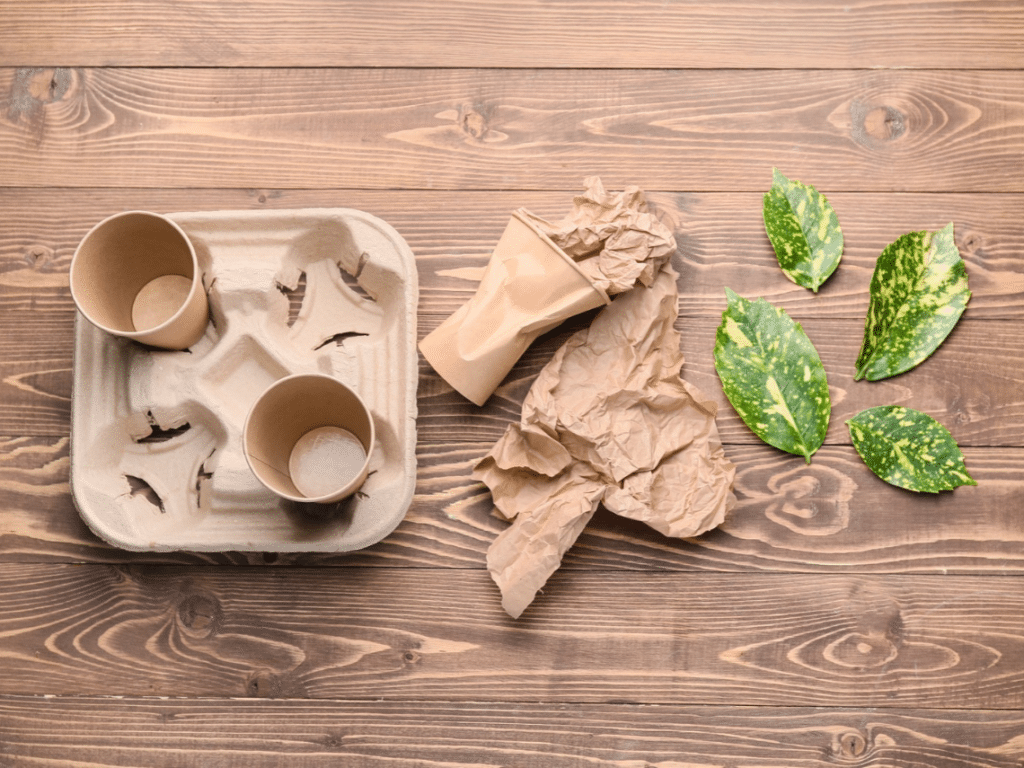
Packaging plays an important role in protecting products, supporting shipping, and presenting a brand on the retail shelf. But as businesses look for ways to reduce their environmental impact, packaging materials are getting more attention.
Compostable packaging offers one option for businesses that want to explore alternatives to some traditional packaging materials.
Unlike traditional packaging, compostable packaging is designed to break down in the right composting conditions. That makes it an option worth considering for businesses looking to add more sustainable materials to their packaging mix.
What Is Compostable Packaging?
Compostable packaging is designed to break down into natural materials under the right conditions. Depending on the material, that may include plant-based fibers or other materials designed for composting.
It is important to remember that compostable does not automatically mean a package will break down anywhere. Many compostable products require commercial composting facilities that provide the right combination of heat, moisture, oxygen, and time.
Before choosing this type of packaging, businesses should understand:
- What the package is made from
- Whether it is commercially or home compostable
- What certifications apply
- Where customers can properly dispose of it
- Whether local composting facilities accept the material
These details can help businesses make informed packaging decisions and avoid making environmental claims that their packaging can’t support.
How It Can Support Sustainable Packaging Goals
For businesses exploring sustainable packaging solutions, compostable packaging can be one part of a larger strategy. The right packaging depends on the product, supply chain, customer expectations, and disposal options available to the end user.
For example, a food business may have different packaging needs than a retailer shipping apparel or cosmetics. A package needs to protect its contents first, while also fitting the company’s environmental goals.
When evaluating compostable packaging, consider how it performs throughout the entire packaging process:
- Can it protect the product during shipping?
- Does it work with existing equipment?
- Can it handle moisture, heat, or other product requirements?
- Does it fit current storage and fulfillment processes?
- How will customers dispose of it?
A material that looks sustainable but doesn’t perform well may create more waste through damaged products or replacements.
Choosing the Right Materials
Not all compostable packaging is the same. Businesses should work with packaging experts to identify materials that fit their products and production needs.
Paper-based materials, molded fiber, and certain plant-based materials can be used in compostable packaging applications. The right choice depends on factors such as product weight, moisture exposure, shelf life, and shipping requirements.
Businesses should also look beyond the material itself. Package size, design, printing, and production methods can all affect the overall environmental impact of a packaging program.
Before placing a large order, consider requesting samples and testing them under real-world conditions. This can help identify issues before they become costly.
Avoiding Common Mistakes
One of the biggest mistakes businesses can make is assuming that all compostable packaging can go directly into a backyard compost pile or curbside recycling bin. Disposal instructions vary by material and location.
Clear labeling can help customers understand what to do with the package after use. Businesses should also make sure their environmental claims are accurate and supported.
It’s also worth considering the amount of packaging being used. Switching to compostable packaging does not necessarily make excessive packaging a good choice. Reducing unnecessary material and choosing an appropriately sized package can be important parts of a broader sustainability plan.
Is It Right for Your Business?
Compostable packaging can be a useful alternative for certain retail and food packaging applications, but it is not a one-size-fits-all solution. Businesses should weigh performance, cost, product protection, disposal options, and customer needs before making a switch.
A packaging partner can help businesses compare materials and determine where compostable packaging makes the most sense. In some cases, a business may benefit from using compostable materials for specific products or applications rather than changing every package at once.
The goal is to find materials that support your sustainability goals while still doing their primary job: protecting the product and working efficiently throughout the supply chain.
For businesses exploring more sustainable packaging, starting with the right questions can make the process much easier. Evaluate the material, test its performance, understand its disposal requirements, and make sure its environmental claims are clear and accurate. With the right planning, compostable packaging can be a practical addition to a broader sustainable packaging strategy.
Pioneer Packaging: Your Custom Packaging Solution Company
For over 38 years, Pioneer Packaging has been your company’s go-to for designing product packaging that sells and performs.
So whether you’re looking to get your paper product packaging at affordable prices or attract new consumers, we’ll find the best packaging solutions that fit your needs. We strive to keep costs down as much as possible to help our customers keep their brands moving along production lines.
Contact Pioneer Packaging today and learn why we’re a leader in B2B packaging solutions.